“water vapor” search results (500)

Espresso is very bitter, how to drink espresso (espresso)
Espresso editors espresso (Espresso) or espresso espresso (espresso) is a strong type of coffee that is flushed out with extremely hot but non-boiling hot water under high pressure and ground into a very fine coffee powder. It was invented and developed in Italy, the age began in the early 20th century, but until the mid-1940s, it was a separate through vapor pressure
2016-04-30 Italian espresso coffee very should how drink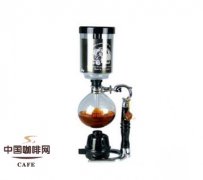
Techniques for making boutique Coffee how to use the plug Pot
Syphon, commonly known as "glass ball" or "siphon", is a simple and easy-to-use method of coffee brewing, and it is also one of the most popular coffee brewing methods in cafes. Although the Saifeng kettle has the alias of "siphon", it has nothing to do with the siphon principle, but uses water heating to produce water vapor, resulting in the principle of hot expansion and cold contraction, pushing the hot water from the lower sphere to the upper pot and waiting for the lower pot to cool.
2014-12-01 Boutique coffee production skills how to use plug kettle plug pot Syph
Espresso is a popular coffee drink all over the world.
Espresso is a type of coffee with a strong taste by brewing coffee with extremely hot but non-boiling hot water under high pressure and grinding it into a very fine coffee powder. It was invented and developed in Italy and began in the early 20th century, but until the mid-1940s, it was a drink made separately through vapor pressure. In the invention of spring lobe lever (spring pis)
2015-08-18 Italian espresso coffee fashion world drinks a kind of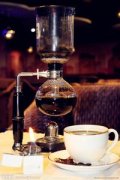
How to use the plug wind kettle the steps of using the siphon pot
Syphon, commonly known as "glass ball" or "siphon", is a simple and easy-to-use method of coffee brewing, and it is also one of the most popular coffee brewing methods in cafes. Although the Saifeng kettle has the alias of "siphon", it has nothing to do with the siphon principle, but uses water heating to produce water vapor, resulting in the principle of hot expansion and cold contraction, pushing the hot water from the lower sphere to the upper pot and waiting for the lower pot to cool.
2015-04-28 How to use plug siphon step
How to buy coffee pots and beans
Now the coffee pots on the market are all drip-type, and they are divided into Japanese style, American style and Italian style. The Japanese coffee maker, also known as the siphon pot, has an alcohol lamp on the base and two glass balls on it. It heats the water from the lower glass ball to produce water vapor, pushes the hot water from the lower sphere to the upper pot, and then sucks back the coffee extracted from the upper glass ball after the lower pot cools. Cooked in a Japanese coffee pot
2014-07-28 Coffee pot coffee beans buy coffee beans
Preservation skills of coffee beans
As far as gas is concerned, the specific gravity of carbon dioxide is the same as that of air. Therefore, in the same confined space, carbon dioxide precipitates at the bottom, while air floats at the top. After understanding this truth, when you choose a container or bag, you can judge its practicality.
2014-07-12 Coffee knowledge coffee bean preservation coffee encyclopedia
IzaIco region of El Salvador Coffee Bean Finca Ataisi Sonsonate Province
Salvadoran coffee beans coffee is an important economic source of the country's Espresso, is a strong type of coffee, by extremely hot but not boiling hot water, by high pressure through the grinding into a very fine coffee powder to make coffee. It was invented and developed in Italy, the age began in the early 20th century, but until the mid-1940s, it was made separately by vapor pressure.
2016-05-29 El Salvador coffee beans Finca Ataisi Sonsonat
Three baking processes: drying, high temperature decomposition and cooling individual coffee beans roast black coffee by themselves
Newly imported coffee beans usually contain about 12% moisture, and when the coffee beans are roasted at a high baking temperature from 500 to 800 degrees Fahrenheit, when the coffee beans heat up, the water evaporates. Most of the moisture is released in the first few minutes of the baking process, although the baking time in the United States is usually about 15 minutes, which may be 5 minutes or as long as an hour. At 8
2016-07-11 Three baking process drying high temperature decomposition cooling single product coffee beans oneself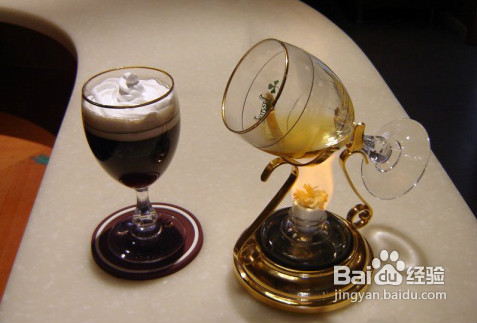
There is a rich fragrant Hawaiian Kona coffee that introduces fine coffee.
The climate is very suitable, the sun in the morning gently passes through the air full of water vapor, in the afternoon, the mountains will become more humid and foggy, and the white clouds surging in the air are natural umbrellas for coffee trees, and the evening will become sunny and cool. Suitable natural conditions make the average yield of Kona coffee very high, reaching 2240 kg per hectare, while in Latin American coffee.
2016-06-29 Rich fragrant Hawaii Kona coffee introduction boutique climate conditions ten
Six steps to identify coffee
1. Fragrance: the first step in cup evaluation is to evaluate the aroma of coffee beans. Grind 10 grams of coffee, put it in 3-5 sample cups, and then breathe hard at the gas released by the freshly crushed coffee cells. The characteristics of the aroma indicate the essence of the taste of coffee beans: the sweet smell indicates that its taste is sour; the pungent smell indicates that its taste is irritating. The power of aroma
2014-07-15 Coffee knowledge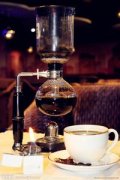
Analysis of homemade coffee: siphon pot
Siphon pot (Syphon), commonly known as "glass ball" or "siphon", is a simple and easy-to-use method of coffee brewing, and it is also one of the most popular coffee brewing methods in cafes. Although the siphon pot has the nickname of "plug wind type", it has nothing to do with the siphon principle, but uses water heating to produce water vapor, resulting in thermal expansion and cold contraction principle, push the hot water from the lower sphere to the upper pot, and then wait for the lower pot to cool.
2014-07-22 Coffee course homemade coffee siphon pot coffee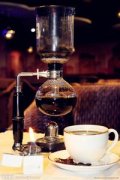
Homemade coffee analytical siphon pot
Siphon pot (Syphon), commonly known as "glass ball" or "siphon", is a simple and easy-to-use method of coffee brewing, and it is also one of the most popular coffee brewing methods in cafes. Although the siphon pot has the nickname of "plug wind type", it has nothing to do with the siphon principle, but uses water heating to produce water vapor, resulting in thermal expansion and cold contraction principle, push the hot water from the lower sphere to the upper pot, and then wait for the lower pot to cool.
2014-09-18 Homemade coffee siphon pot
How to use the Saifeng pot in the basic knowledge of making individual coffee?
Syphon, commonly known as "glass ball" or "siphon", is a simple and easy-to-use method of coffee brewing, and it is also one of the most popular coffee brewing methods in cafes. Although the Saifeng kettle has the alias of "siphon", it has nothing to do with the siphon principle, but uses water heating to produce water vapor, resulting in the principle of hot expansion and cold contraction, pushing the hot water from the lower sphere to the upper pot and waiting for the lower pot to cool.
2015-01-21 Production individual products coffee basics common sense how to use plug wind pot plug air pot S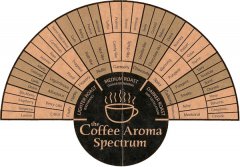
SCAA coffee cup testing process
1. Fragrance: the first step in cup evaluation is to evaluate the aroma of coffee beans. Grind 10 grams of coffee, put it in 3-5 sample cups, and then breathe hard at the gas released by the freshly crushed coffee cells. The characteristics of the aroma indicate the essence of the taste of coffee beans: the sweet smell indicates that its taste is sour; the pungent smell indicates that its taste is irritating. The power of aroma
2014-07-02 Coffee knowledge SCAA coffee cup test coffee encyclopedia
Coffee basics: how to buy coffee pots and beans
Now the coffee pots on the market are all drip-type, and they are divided into Japanese style, American style and Italian style. The Japanese coffee maker, also known as the siphon pot, has an alcohol lamp on the base and two glass balls on it. It heats the water from the lower glass ball to produce water vapor, pushes the hot water from the lower sphere to the upper pot, and then sucks back the coffee extracted from the upper glass ball after the lower pot cools. Cooked in a Japanese coffee pot
2015-07-14 Coffee basics common sense how to buy coffee pot coffee beans
The characteristics of encapsulated coffee the influence of coffee powder on the taste of coffee price coffee network
The characteristics of capsule coffee unique flavor coffee beans in the baking process, coffee oil will be volatile aroma components in the form of gaseous adsorption on the powder. The ordinary brewing method can not dissolve most of the oil components of coffee, thus affecting its flavor and taste, but if the high pressure causes high temperature water vapor to pass through the coffee powder in a short time, the coffee oil can be treated with the same insoluble coffee oil.
2016-04-19 Capsule coffee characteristics powder taste influence price capsule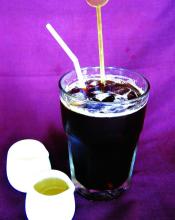
What kinds of coffee pots are there?
Introduction to American dripping pot: dripping coffee machine is a classic dripping filter. After the power is turned on, the high heat element in the coffee pot quickly heats a small part of the water flowing from the water storage tank to boiling, and the steam pressure pushes the water out of the water delivery pipe in turn, drips evenly into the filter containing coffee powder through the distribution plate, and then flows into the coffee bottle to become drinking coffee.
2016-06-13 Coffee maker which what kind
Six steps of coffee cup evaluation
The six steps of coffee cup evaluation describe the aroma, aroma, taste, smell, aftertaste and mellowness of coffee. 1. Fragrance: the first step in cup evaluation is to evaluate the aroma of coffee beans. Grind 8.25 grams of coffee, put it in 3-5 sample cups, and then breathe hard at the gas released by the freshly crushed coffee cells. The characteristics of the aroma indicate the taste of coffee beans.
2014-09-10 Coffee cup review
Coffee common sense how to buy coffee pots and beans
Now the coffee pots on the market are all drip-type, and they are divided into Japanese style, American style and Italian style. The Japanese coffee maker, also known as the siphon pot, has an alcohol lamp on the base and two glass balls on it. It heats the water from the lower glass ball to produce water vapor, pushes the hot water from the lower sphere to the upper pot, and then sucks back the coffee extracted from the upper glass ball after the lower pot cools. Cooked in a Japanese coffee pot
2015-07-15 Coffee common sense how to buy coffee pot coffee beans
Six steps to taste coffee
There are six steps in coffee cup evaluation, describing the aroma, aroma, taste, smell, aftertaste and mellowness of coffee. 1. Fragrance: the first step in cup evaluation is to evaluate the aroma of coffee beans. Grind 10 grams of coffee, put it in 3-5 sample cups, and then breathe hard at the gas released by the freshly crushed coffee cells. The characteristics of the aroma indicate the essence of the taste of coffee beans:
2014-08-13 Tasting coffee tasting coffee coffee encyclopedia